

A rare coin in everyday change sounds almost unreal—yet it is still possible. Despite the rise of digital payments, valuable pieces from past decades occasionally slip back sometimes.
These discoveries are the dream of every collector, for sure. But to make it happen, you should know your chances and what to look for. Such cases hugely depend on luck, but the right habits and ability to spot extraordinary coin value might help you on your way.
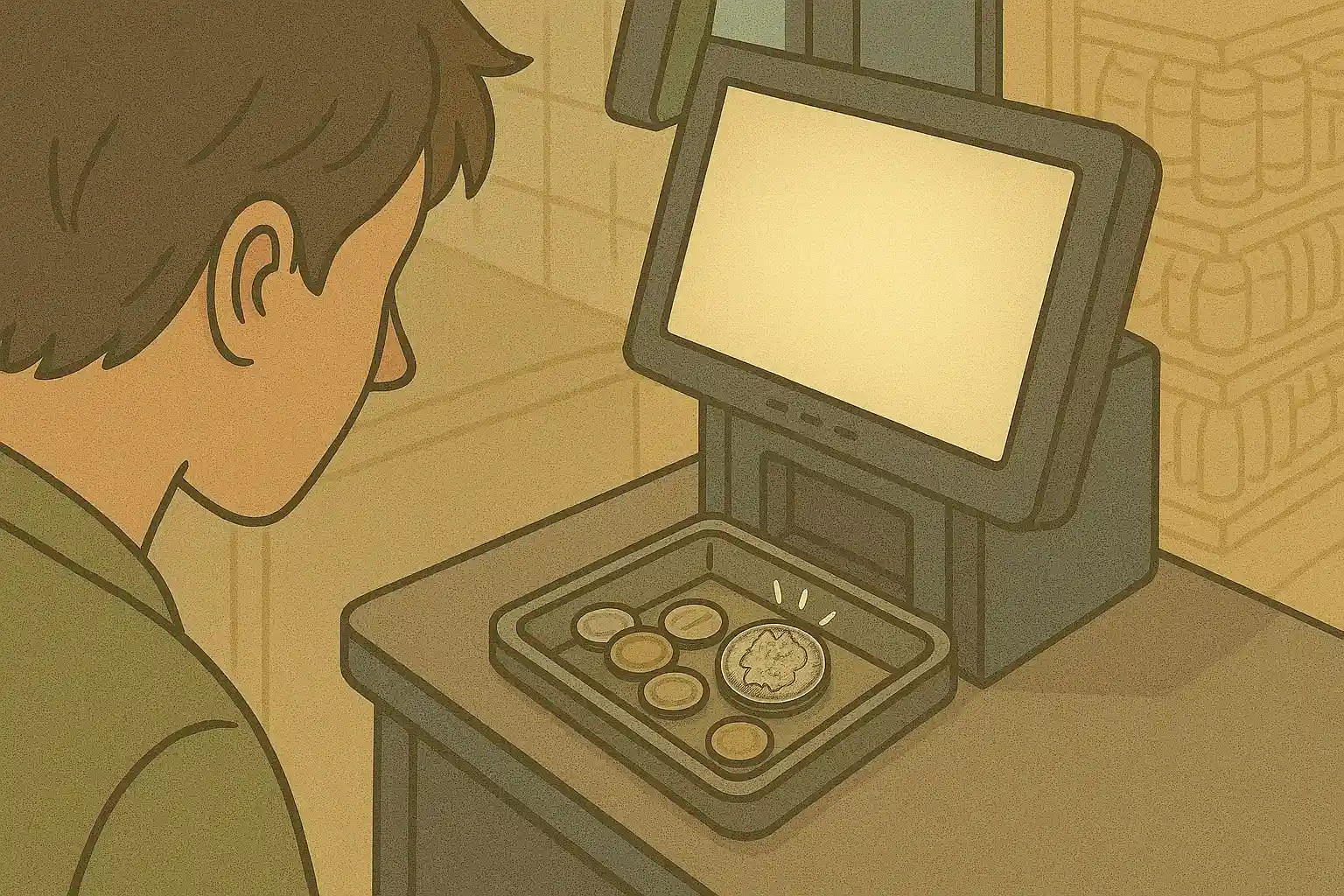
Common Rare Coins Still Found Today
Several notable U.S. coins, while scarce, remain possible to encounter. Their continued circulation stems from high original mintages, widespread distribution, and the natural re-entry of old currency into modern cash flows.
1. 1943 Copper Lincoln Penny
Nearly all 1943 Lincoln cents were struck in steel due to wartime metal shortages. A tiny number, however, were mistakenly minted in bronze. These rare errors are among the most valuable modern-era coins, reaching $240,000 or more at auction. Finding one in circulation is unlikely, but not impossible—small hoards occasionally reappear decades later.
2. 1955 Doubled Die Lincoln Penny
This famous variety features noticeable doubling on the date and lettering. Large quantities entered circulation before detection, which means some still resurface. Well-preserved examples often sell for around $1,800. Even low-grade pieces attract strong collector demand.
3. 1921 Morgan Silver Dollar
As the final production year of this iconic series, 1921 Morgans hold steady value, especially in high grades. While silver dollars are uncommon in daily transactions today, they occasionally turn up in casino buckets, bank rolls, or inherited coin jars.
Beyond these widely recognized pieces, additional rarities show up from time to time. Examples include:
- 1916-D Mercury Dime
- 1893-S Morgan Dollar
- early Wheat cents
- transitional error coins from metal-change years
Their appearance is sporadic, but they remain part of modern circulation finds thanks to decades of storage in drawers and boxes across the country.
Why These Coins Still Appear
Modern minting technology reduces mistakes, but historical circulation habits and decades-long coin lifespans still allow older pieces to re-enter daily use. Rare coins often surface by accident, slipping back into pockets and cash drawers through estate cleanouts, inherited jars, or forgotten bank rolls. Their presence in circulation is less about intentional release and more about how long coins stay in the monetary system.
Rare coins continue to surface because circulation is influenced by human behavior as much as by minting systems. Three primary factors explain their presence:
- Large original mintages: Some coins were produced in massive numbers, leaving room for rare survivors to blend with common pieces.
- Long circulation lifespan: Coins often remain functional for decades before being removed for wear, allowing older pieces to re-emerge.
- Re-entry from private holdings: Families clearing estates, cashing in jars, or depositing old rolls inadvertently release older coins back into the economy.
- Coin roll hunting: Bank-wrapped rolls sometimes contain older issues overlooked during sorting.
- Low public awareness: Non-collectors often fail to recognize valuable dates and return them into circulation unknowingly.
These patterns create ongoing opportunities for collectors who stay alert. Careful examination of pocket change, cash register returns, and rolled coin purchases can reveal unexpected additions to a personal collection.
Some famous finds trace directly to these everyday scenarios. A 1955 Doubled Die Cent may appear in pocket change simply because its original owner kept it in a desk tray for decades. A silver Washington quarter might resurface after being mixed into a coin jar during a move.
Why Rare Coins Reappear in Modern Circulation
| Reason | Description | Impact on Finds |
| Estate Liquidations | Old jars and boxes get spent into circulation | Releases early 1900s–1960s coins |
| High Mintage Years | Millions minted originally | Rare varieties hide among common dates |
| Long Coin Lifespan | Coins circulate for decades | Allows older coins to survive into modern use |
| Public Unawareness | Non-collectors overlook value | Valuable pieces get spent casually |
| Bank Roll Mixing | Roll machines blend old and new coins | Occasional introduction of silver or errors |
These dynamics make circulation collecting exciting. The hobby remains one of the few where rare historical objects can still appear unexpectedly in an everyday transaction.
How to Increase Your Chances of Finding Circulation Rarities
Collectors who actively search have far greater success than those relying on luck. Small habits can significantly improve the odds:
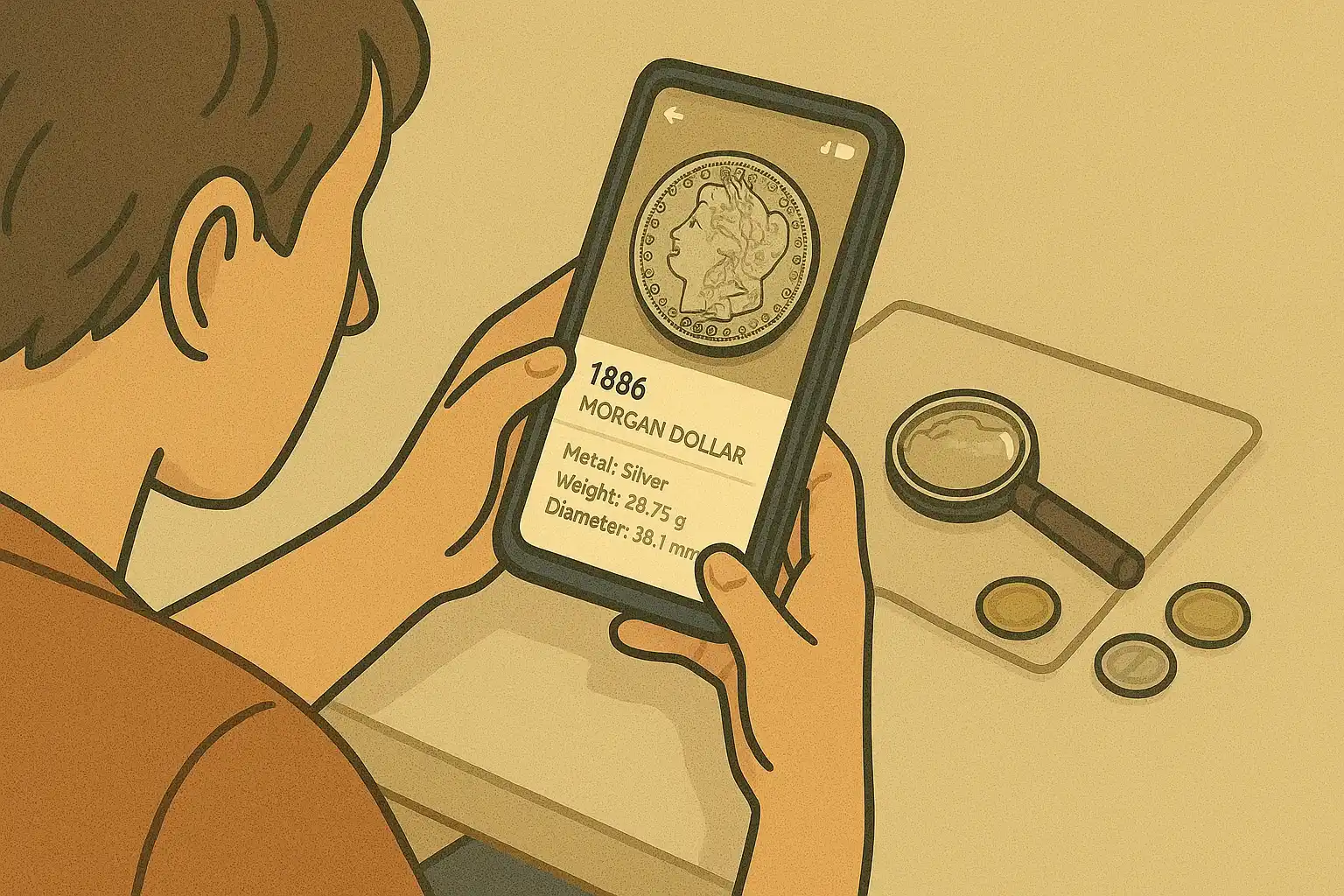
- Check every coin you receive from cashiers or change dispensers via the coin scanner app.
- Pick up affordable rolls of pennies, nickels, or quarters from banks.
- Learn the appearance of key dates, mint marks, and error types.
- Track new issues and know which years are prone to valuable varieties.
- Keep a small magnifier in a wallet or bag for quick checks.
Digital tools elevate this process. The Coin ID Scanner app helps identify coins on the spot by photographing them—revealing mint years, composition, weight, diameter, and pricing references. When you find a coin that looks unusual, you can confirm its identity in seconds. The app’s global database of 187,000+ coins ensures reliable lookups, while its built-in collection manager lets users archive discoveries instantly.
The app’s collection management system also supports organization. Each find can be saved with photos, dates, and notes, forming a digital archive that grows naturally over time. This structure prevents forgetting details or losing track of high-potential pieces.
A 1955 doubled die penny, for instance, can be confused with mechanical doubling. A 1964 quarter looks like any other worn silver-colored coin unless you check its weight and specifications. Having reliable data appear within seconds reduces uncertainty and helps you log discoveries instantly.Such tools turn casual change-checking into a structured routine, making it easier for new collectors to recognize patterns and avoid overlooking valuable pieces.
The digital approach with the best coin identifier app is great, but being prepared with your skills is even better. Key strategies include:
- Check every transaction: Grocery stores, gas stations, and fast-food counters often exchange large amounts of coins, which raises the chance of spotting something unusual.
- Ask banks for rolls: Many rare pennies, nickels, and quarters are discovered inside bank-wrapped rolls or customer-returned rolls mixed from estates or old coin jars.
- Search vending machine returns: Machines frequently reject foreign or damaged coins, pushing them into the return slot, where rare finds sometimes appear.
- Sort coins by type immediately: Separating denominations helps you focus on the categories most likely to contain valuable finds, such as pennies for 1955 DDOs or quarters for West Point issues.
Collectors who combine these habits with modern tools stay ahead of accidental discoveries.
Examples of Circulation Finds and What Makes Them Valuable
| Coin Type | Key Feature | Why It Still Appears | Value Potential |
| 1943 Copper Penny | Wrong metal planchet | Released accidentally, blended with steel cents | Extremely high |
| 1955 Doubled Die Penny | Strong doubling on date & letters | Widely distributed before discovery | High |
| 1921 Morgan Dollar | Final-year mintage | Occasional releases from old holdings | Moderate to high |
| 1916-D Mercury Dime | Key mint mark | Re-enters circulation from old jars | Very high |
| 1893-S Morgan Dollar | Scarce survival | Rare estate rediscoveries | Extremely high |
Why These Discoveries Matter
Finding a rare coin in circulation carries a sense of surprise that appeals to both new and experienced collectors. Each discovery becomes a direct link between everyday transactions and decades-old minting history. Even minor finds, such as older wheat cents or silver dimes, reinforce the thrill of possibility every time you check your change. These moments transform small interactions into numismatic milestones.
Circulation rarities also offer accessible entry points for beginning collectors. Instead of investing heavily in auctions, new hobbyists can start building collections from coins they encounter naturally. This approach encourages learning, sharpens identification skills, and builds appreciation for the details that separate common dates from exceptional ones.
Collector’s Mindset
Circulation finds reward persistence. Even though rare coins appear infrequently, consistent habits, curiosity, and a bit of luck make discoveries possible. To maximize results:
- Examine every coin you receive.
- Track important dates, mint marks, and varieties.
- Compare questionable pieces to trusted examples.
- Use digital tools to verify specifications instantly.
- Store potential rarities separately until confirmed.
The modern collector combines traditional awareness with mobile technology. Tools like Coin ID Scanner ensure that you never miss a valuable detail hidden in your pocket change. With careful attention and a structured workflow, everyday coins can reveal unexpected history and real financial potential.